

Written by Colin Tate
Colin writes for My Perfect Stays, helping travelers plan unforgettable trips and discover the best of Maui.
It’s hard to find a bad time to visit Maui. The island stays warm year-round, the ocean is always inviting, and each season has its own reasons to visit. With this all-season variety, the best time to go to Maui typically depends on what you want from your trip.
Winter brings whale-watching opportunities, summer sees sunny days and calm ocean conditions, and the spring and fall shoulder seasons offer a great mix of pleasant weather, fewer crowds, and lower costs across the island. If you’re trying to decide when to have your next Maui vacation, here’s everything you need to know about each season and why one might be a better fit for you than the others.
Looking for a beachfront escape? Check out our some of our Maui vacation rentals right on the sand.
Browse Beachfront Maui Vacation Rentals
In This Article:
- Spring on Maui: Comfortable Weather for Exploring
- Maui in the Summer: Long Days & Endless Outdoor Fun
- Maui in the Fall: The Sweet Spot Shoulder Season
- Winter on Maui: Sunshine, Surfing & Whale-Spotting
- When is the Best Time to Go to Maui?
- Planning Your Maui Vacation
- Frequently Asked Questions: The Best Time to Visit Maui
Spring on Maui: Comfortable Weather for Exploring
Spring is one of the easiest times of year to recommend for a Maui vacation. The weather is warm, winter rains start to taper off, and the island starts to relax following the busier snowbird season.
By April, conditions become especially nice for beach days, snorkeling excursions, and hiking around the island. The Kapalua Coastal Trail, in particular, is an excellent pick for spring hikers of all experience levels. In addition to its excellent ocean views, you may even spot some lingering humpback whales at the end of their season.
This time of year often ends up being a top choice for travelers who want to avoid the peak crowds while still getting plenty of sunshine and outdoor fun. If you’re looking for a balanced Maui visit with plenty of good weather and fun things to do, April and May are hard to beat.
Maui in the Summer: Long Days & Endless Outdoor Fun
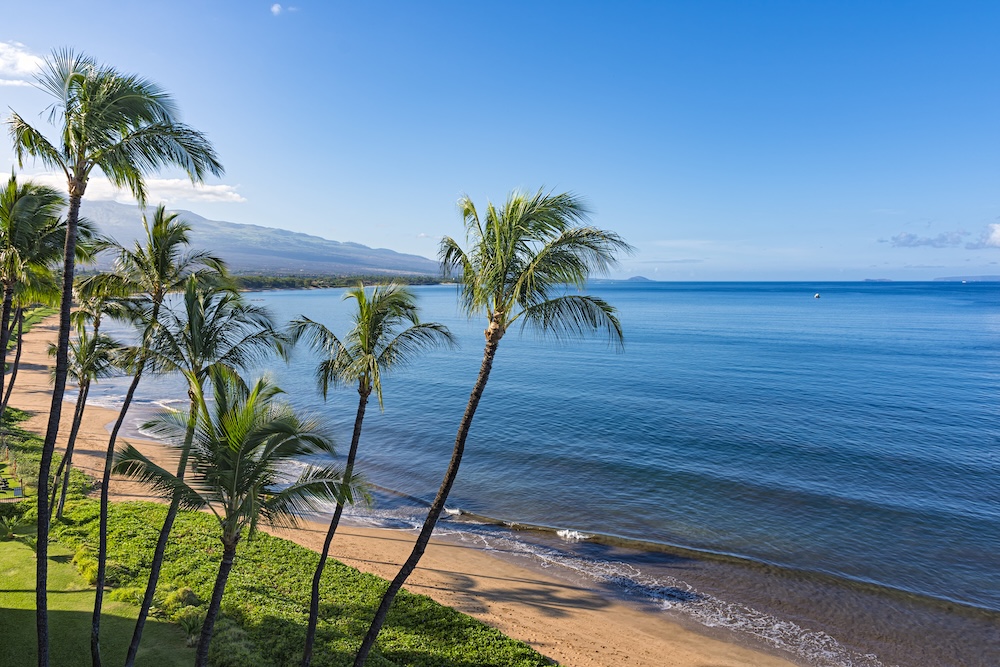
Summer is Maui’s warmest and driest season, making it a popular choice for travelers who want to spend as much time as possible outdoors. Average daytime high temperatures throughout the summer months usually fall between 85 and 88 degrees at sea level.
For visitors prioritizing beach time, summer offers another advantage. While ocean conditions can still vary around the island, summer generally brings much gentler water conditions. This makes it an excellent time for water activities, like swimming, snorkeling, or paddleboarding.
Summer is also a prime opportunity to explore the island’s other outdoor activities. The longer days mean more time to play a round of golf, drive the Road to Hana, or take a day trip to Haleakalā National Park. Just remember that higher elevations can see quick temperature drops even in the summer, so pack layers if you’re heading up the mountain.
Maui in the Fall: The Sweet Spot Shoulder Season
If your ideal Maui stay involves beautiful weather without the crowds of the busier travel seasons, fall deserves consideration. The shoulder season months of September and October are considered by many to be the island’s best months to visit, and it’s easy to see why.
By September, the biggest summer crowds start to clear out, but the ideal late-summer temperatures stick around. October is usually just as pleasant, with warm weather and exceptionally comfortable ocean temperatures. Trade winds often ease up during this time of year, creating calmer conditions that can be great for snorkeling and paddling.
October is especially appealing for mainland travelers who aren’t constrained by school schedules. With fewer families visiting the island, you’ll have better opportunities to enjoy the region’s beaches and excursions at a more relaxed pace. You may also find it easier to get a table at popular restaurants or book excursions without as much advance planning.
Winter on Maui: Sunshine, Surfing & Whale-Spotting
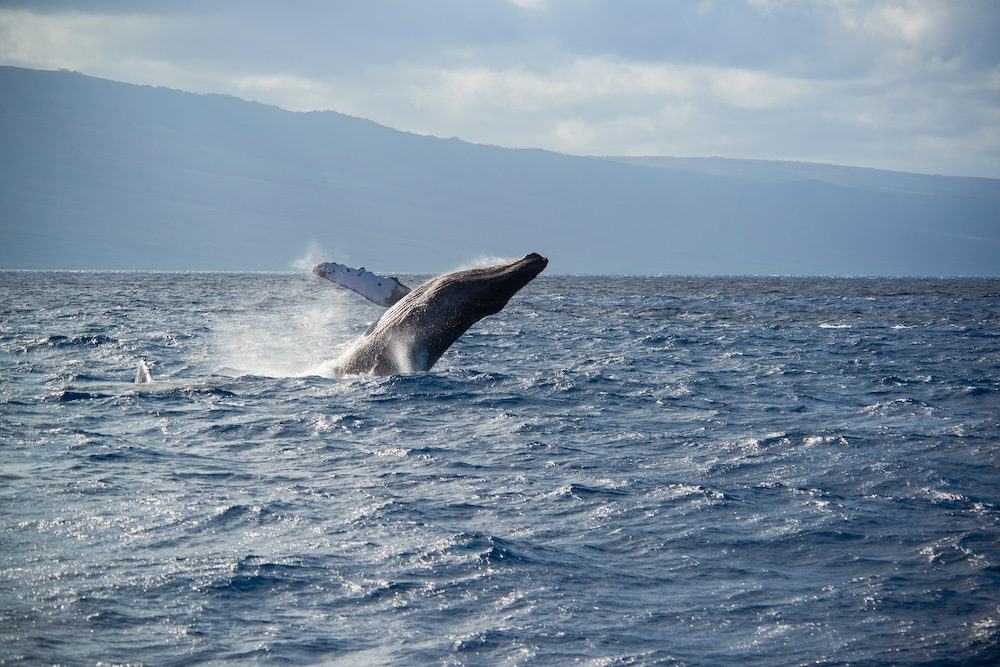
Winter is arguably the most unique time of year to visit Maui. The temperatures cool slightly, the ocean conditions can get a bit rougher, and the island’s whale-watching season hits its peak.
While November onward can be rainier than the summer months, daytime temperatures still sit comfortably in the low-to-mid 80s. For travelers looking to escape the cold on the mainland, visiting Maui in the winter offers a wonderful alternative.
If whale watching is high on your Maui bucket list, winter is the time to visit. Thousands of humpback whales migrate to Hawaii each winter, and Maui offers some of the best spotting opportunities across the islands. You can often see them from certain points along the shore, or you can embark on a boat tour for an even closer look.
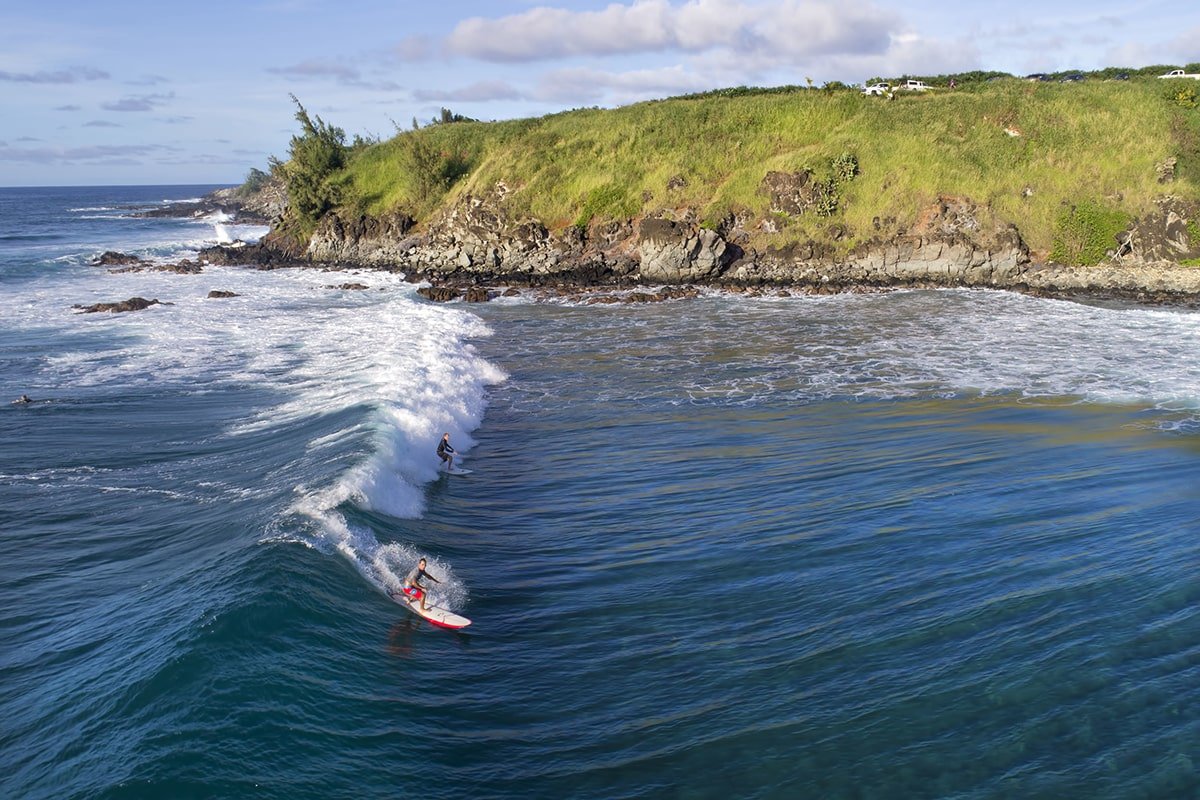
Winter also offers a different experience on Maui’s beaches, with larger swells attracting experienced surfers and spectators. The North Shore is particularly active during the winter months, with Peʻahi (also known as Jaws), drawing attention for its massive waves. Other beaches on more sheltered parts of the island can still offer calmer conditions for swimming. Just be sure to check local ocean conditions before getting in the water, as winter surf and currents can change quickly.
When is the Best Time to Go to Maui?
The best time to visit Maui is going to look different for every traveler. Families will likely find that a summer visit works best around their school calendar. Couples interested in whale watching would enjoy a visit in January or February. And if your main goal is just to spend some time on a sunny beach, there’s really no need to overthink the season.
If you’re still trying to narrow it down, April, May, September, and October can all make a strong case for the overall best time to go to Hawaii. Maui sees a nice balance of warm weather, opportunities for outdoor activities, and generally fewer crowds during these shoulder-season months.
It’s also worth noting that Maui’s wintertime weather can vary significantly depending on where you’re staying. The western and southern regions tend to receive less rain than other parts of the island, meaning the wet season doesn’t necessarily mean trouble for your vacation.
Ultimately, the best time to visit Maui is the time that best aligns with your vacation priorities. Take some time to decide what matters most among Maui’s activity lineup, and there’s a good chance you’ll find a season that checks most, if not all, of your boxes.
Planning Your Maui Vacation
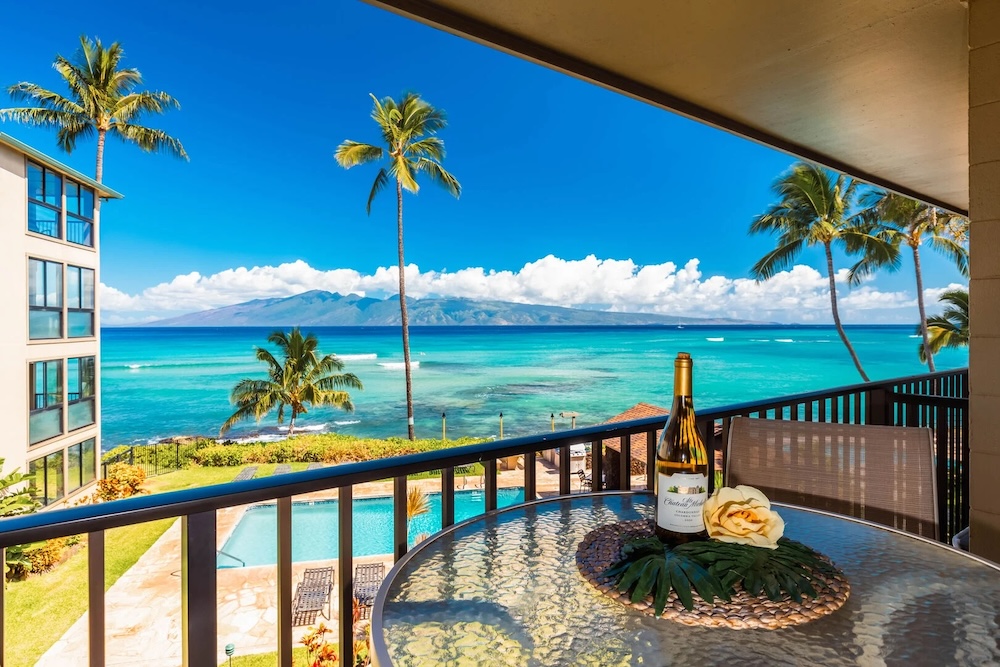
Featured Maui Vacation Rental: Noelani 212
Whenever you decide to visit, choosing the right place to stay can make a big difference in how you experience the island. From oceanfront condos to picturesque golf course getaways, My Perfect Stays offers vacation rental options to help you truly make the most of your time on Maui. Browse available properties, find the location and amenities that fit your trip, and start planning your Hawaii escape today!
View All Maui Vacation Rentals
Frequently Asked Questions: The Best Time to Visit Maui
When is the best time to go to Maui?
It largely depends on what you want your vacation to look like, but the best time to visit Maui is generally in the Spring or Fall. These shoulder-season months offer warm weather, fewer crowds, and potentially better lodging rates than peak travel periods.
What month is the best time to go to Maui?
April, May, September, and October are among the best months to visit Maui for a combination of pleasant weather and smaller crowds. If whale watching is your priority, a January or February stay is a better choice.
Is Maui better to visit in summer or winter?
It depends on what you want from your vacation. Summer typically offers warmer, drier weather and calmer ocean conditions, while winter brings Maui’s peak humpback whale season and larger surfing waves along the North Shore.
What is the rainy season in Maui?
Maui’s wetter season generally runs from November through March, but rainfall varies considerably around the island. The western and southern areas, including Kapalua, Ka’anapali, and Kihei, tend to be drier than the island’s windward region.